
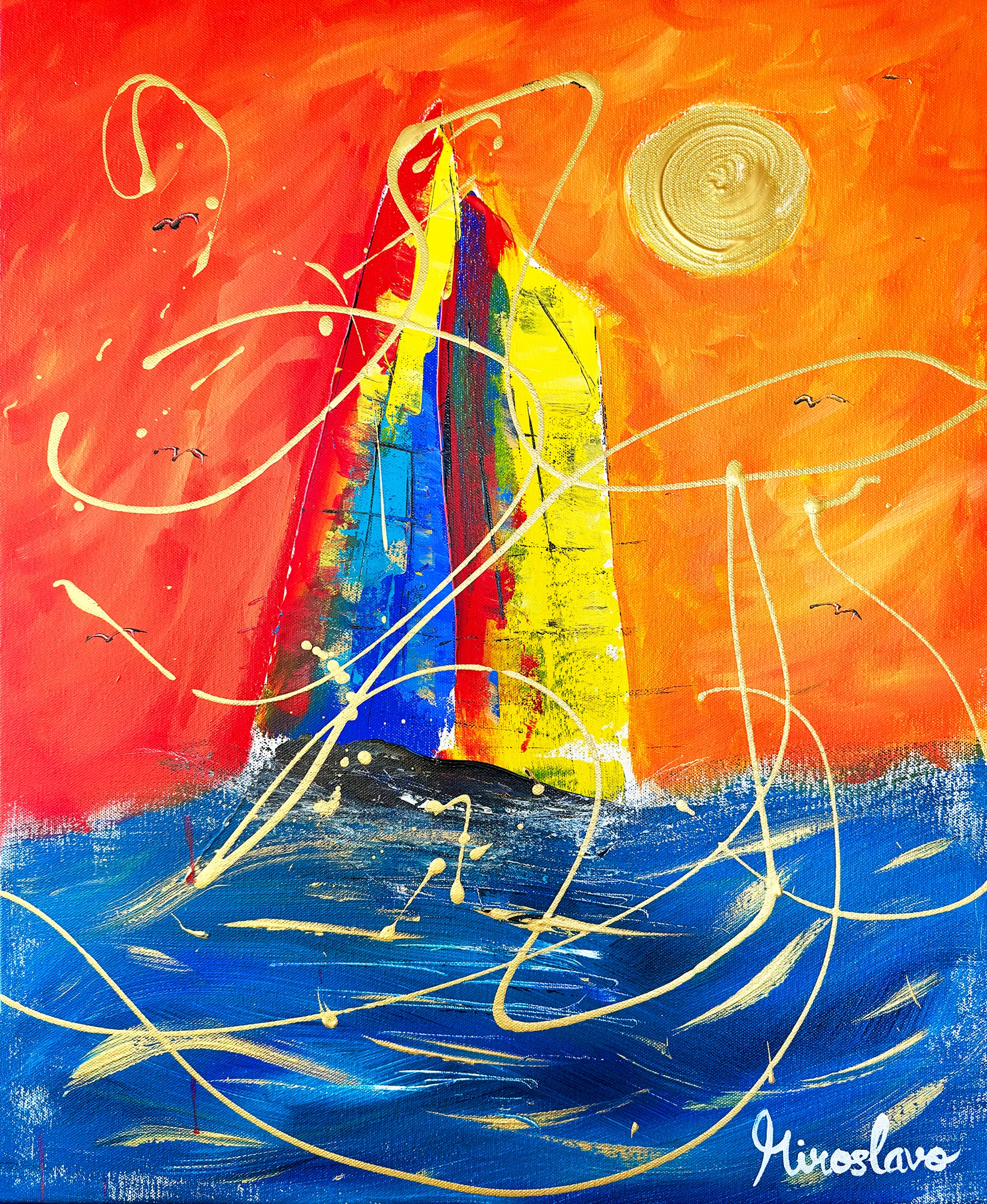
Understanding Abstract Art
Abstract art is a genre that prioritises forms, colours, and lines over realistic representation. Its purpose is to evoke emotions and provoke thought through non-representational means, allowing the viewer to engage with the artwork on a personal level. (https://www.art.com/blog/abstract-art).
The Emotional Connection
One of the core purposes of abstract art is to create an emotional connection with the viewer. Unlike traditional art, which often depicts specific subjects, abstract art invites interpretation through its use of colour and form. This emotional engagement can vary widely among viewers, as each individual brings their own experiences and feelings to the interpretation of the artwork. For instance, a vibrant red might evoke passion for one person, while another might see it as a representation of anger.
Emotional Resonance: Abstract art often resonates on a subconscious level, tapping into feelings that may not be easily articulated.
Personal Interpretation: Each viewer's unique perspective shapes their understanding and appreciation of the piece.
The Role of Interpretation
The purpose of abstract art also lies in its openness to interpretation. This genre encourages viewers to derive their own meanings from the artwork, fostering a dialogue between the artist and the audience. This dialogue is crucial, as it allows for a deeper appreciation of the artist's intent and the viewer's perception.
Subjective Experience: Interpretation can vary widely based on cultural background, personal experiences, and even current emotional states.
Artistic Intent: Artists often infuse their works with personal narratives or societal commentary, which can be uncovered through thoughtful engagement with the piece.
Abstract Art in Contemporary Culture
In contemporary culture, abstract art plays a significant role in challenging perceptions and pushing boundaries. It often serves as a reflection of societal changes and technological advancements. For example, the rise of digital art has led to new forms of abstraction, merging traditional techniques with modern technology. This evolution is highlighted in exhibitions like Art Basel, where innovation and creativity are celebrated (Due Alberi).
Cultural Reflection: Abstract art often mirrors the complexities of contemporary life, addressing themes of identity, fragmentation, and chaos.
Innovation: The genre continuously evolves, incorporating new materials and techniques that challenge traditional boundaries.
Why Collect Abstract Art?
Collecting abstract art can be a deeply rewarding experience for both personal enjoyment and investment. Here are several reasons why collectors might choose to focus on this genre:
Unique Aesthetic Appeal: Abstract art offers a wide range of styles and interpretations, making it suitable for various tastes and interior designs.
Investment Potential: As contemporary art continues to gain recognition, well-chosen abstract pieces can appreciate significantly in value over time.
Emotional and Intellectual Engagement: Collectors often find that abstract art encourages introspection and meaningful conversations, both personally and socially.
Supporting Artists: By collecting abstract art, individuals contribute to the livelihood of artists and the broader art community.
For those interested in starting or expanding their collection, resources such as a collecting guide can provide valuable insights into selecting and investing in abstract art.
Key takeaways
Abstract art prioritises emotional engagement and personal interpretation over realistic representation.
The genre fosters a unique dialogue between the artist and viewer, allowing for diverse interpretations.
Contemporary abstract art reflects societal changes and innovations in artistic expression.
Collecting abstract art offers aesthetic enjoyment, investment potential, and support for artists.
Frequently asked questions
What is the significance of abstract art?
Abstract art is significant because it challenges traditional notions of representation and encourages viewers to engage with art on a personal level. It allows for a wide range of interpretations, making each viewing a unique experience.
How can I start collecting abstract art?
To start collecting abstract art, consider your personal tastes and budget. Research artists and styles that resonate with you, and explore galleries, exhibitions, and online platforms to discover available works. A collecting guide can also provide helpful tips.
What should I look for when buying abstract art?
When buying abstract art, consider the artist's background, the artwork's emotional impact, and how it fits within your existing collection or space. It's also wise to consider the artwork's provenance and potential for appreciation in value.
How does abstract art reflect contemporary culture?
Abstract art reflects contemporary culture by addressing themes relevant to modern society, such as identity, technology, and emotional complexity. It often serves as a commentary on current events and societal changes, making it a dynamic part of the art world.
Is abstract art a good investment?
Abstract art can be a good investment, particularly if you focus on emerging artists with potential for growth. However, like any investment, it carries risks, and it's essential to do thorough research before purchasing.