
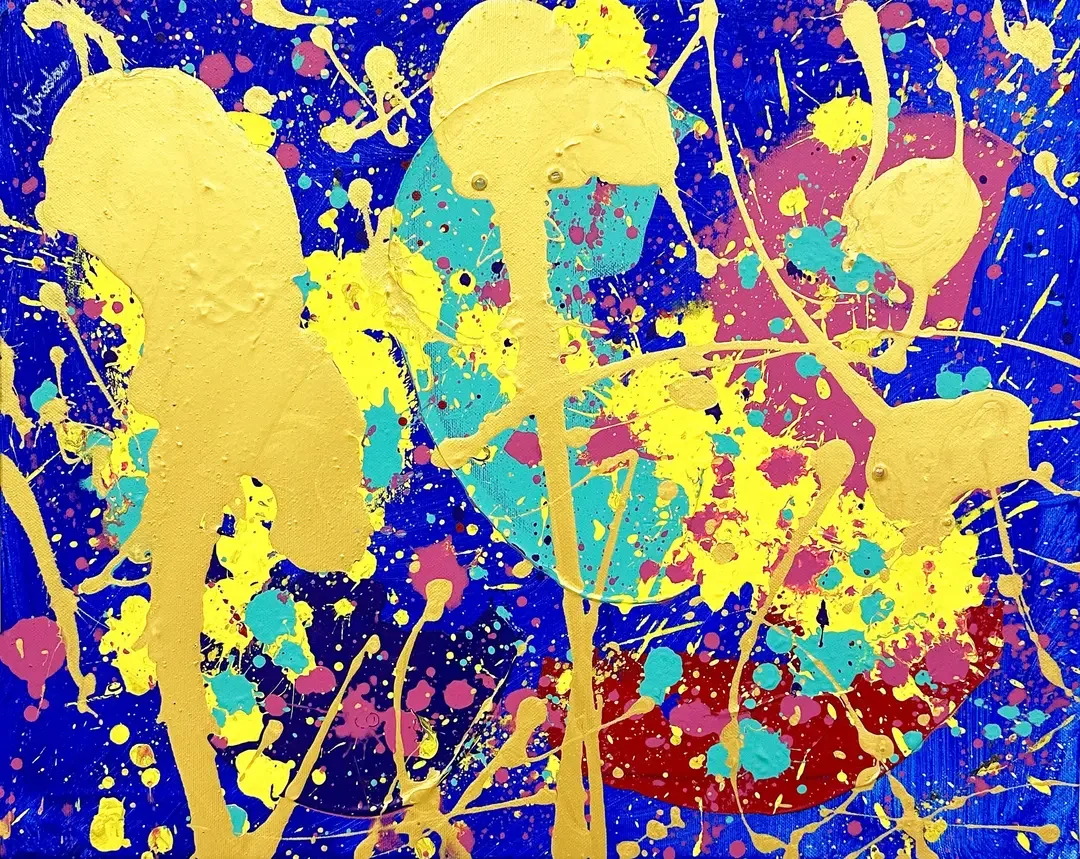
Understanding Abstract Art
New collectors should look for emotional resonance, aesthetic appeal, and the artist's intention when exploring abstract art. Each piece can evoke different feelings and interpretations, making it essential to connect personally with the artwork.
Key Factors for Collectors
When starting your journey in abstract art, consider the following factors:
Personal Connection: Choose pieces that resonate with you emotionally. Abstract art is often open to interpretation, so finding a connection is crucial.
Artist's Background: Research the artist's background and intentions. Understanding their journey can enhance your appreciation of the work. For instance, some artists may draw from personal experiences, while others might focus on broader themes.
Quality of Materials: Look for high-quality materials used in the artwork. This includes the type of paint, canvas, and any other materials involved in the creation. Quality can influence both the longevity and visual impact of the piece.
Provenance: Provenance refers to the history of ownership of the artwork. A well-documented provenance can add value and authenticity to your collection. It’s beneficial to know whether the piece has been exhibited in galleries or included in significant collections.
Investment Potential: While art should primarily be about passion, considering the investment potential can be wise. Some abstract artists may see their work appreciate over time, making it a dual-purpose purchase.
Viewing and Interpreting Abstract Art
When viewing abstract art, it’s essential to approach it with an open mind. Unlike representational art, abstract pieces do not depict recognizable subjects, which can lead to various interpretations. Here are some tips for engaging with abstract art:
Take Your Time: Spend time with each piece. Allow yourself to feel and think about what it represents to you personally.
Consider the Elements: Look at the colours, shapes, and textures used in the artwork. These elements can convey emotions and messages that words may not express.
Read About the Artist: Understanding the artist's perspective can deepen your appreciation of the work. Resources like Art.com’s blog on abstract art can provide context.
Living with Abstract Art
Incorporating abstract art into your living space can transform the environment and reflect your personality. Here are some tips for displaying abstract pieces:
Choose the Right Space: Select a location where the artwork can be the focal point. Consider lighting and surrounding colours to enhance the piece's impact.
Rotate Your Collection: If you have multiple pieces, consider rotating them to keep your space fresh and engaging. This practice can also give each artwork its moment to shine.
Create a Dialogue: Encourage conversations about the art. Abstract pieces often prompt various interpretations, making them excellent conversation starters.
Key takeaways
Emotional resonance is paramount when selecting abstract art.
Research the artist's background to understand their intentions better.
Consider the quality of materials and the piece's provenance.
Stay informed about market trends and potential investment value.
Engage deeply with the artwork by taking your time and considering its elements.
Frequently asked questions
What should I look for when buying my first piece of abstract art?
When buying your first piece, focus on personal connection and emotional response. Research the artist and ensure the materials used are of high quality. This foundation will help you build a meaningful collection.
How can I interpret abstract art?
Interpreting abstract art involves looking at the colours, shapes, and textures without preconceived notions. Allow yourself to feel and think about what the artwork means to you personally. Reading about the artist’s intentions can also provide valuable insights.
Is abstract art a good investment?
While the primary motivation for collecting art should be passion, some abstract artworks can appreciate in value over time. Understanding market trends and the artist's recognition can help guide your investment decisions.
How do I display abstract art in my home?
Choose a prominent location with good lighting to showcase your abstract art. Consider the surrounding decor to ensure the piece stands out. Rotating your collection can also keep your space dynamic and engaging.
Sources
https://satyajitroy.com/contemporary-abstract-art-collectors-guide
https://www.merchantcircle.com/articles/How-to-Interpret-Abstract-Art/1075976
https://www.emp-art.com/emp-blog/abstract-art-for-beginners-how-to-understand-and-appreciate-it
https://www.emp-art.com/emp-blog/reading-between-the-lines-how-to-interpret-abstract-art
Abstract Art for Beginners: How to Understand and Appreciate It