
October 24, 2023
Abstract Art Demystified: What is Abstract Art and What Role Does it Play in Society?
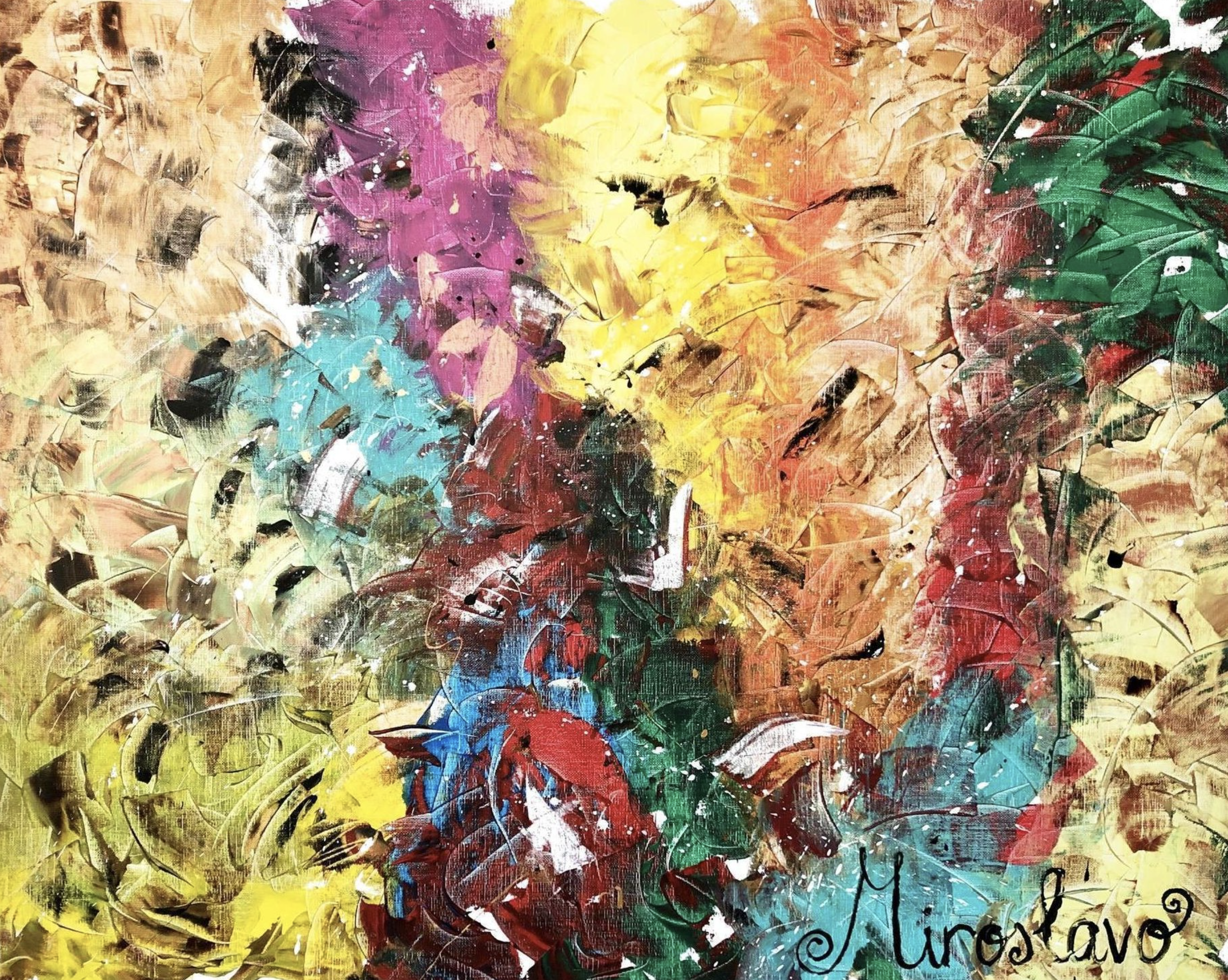
Art has always been a reflection of the human experience. It captures our emotions, our thoughts, our culture, and our society. Among the myriad styles of artistic expression, abstract art stands out as an enigmatic and thought-provoking genre.
A lot has been said about this art style and in this post, we will demystify abstract art, explore its various forms, and unravel the crucial role it plays in our society.
What is Abstract Art?

Abstract art is a genre that eludes a straightforward definition. It’s a form of artistic expression that doesn’t aim to depict the external world realistically. Instead, abstract artists use shapes, colours, and forms to convey emotions, ideas, and concepts. It’s a departure from traditional representational art and an invitation for viewers to engage with the artwork on a more subjective level.
Abstract art can take many forms, from the geometric precision of Piet Mondrian to the emotionally charged brushstrokes of Jackson Pollock. It can be structured or spontaneous, vibrant or muted, but it always transcends the confines of the tangible world.
Still, all abstract paintings have been abstracted from something and usually, it’s abstracted from what we see and feel in the world. However, it conveys those visions, thoughts, and feelings in ways which are non-obvious and subjective, as is every person’s opinion of everything.
Types of Abstract Art
Within the realm of abstract art, there are various subcategories. Here are a few examples:
- Geometric Abstraction: Artists like Kazimir Malevich and Piet Mondrian are known for their use of precise shapes, lines, and colours. Their works convey a sense of order and structure.
- Lyrical Abstraction: Artists like Wassily Kandinsky and Joan Miró embraced a more fluid and emotional approach, using organic forms and vivid colours to express their inner worlds.
- Abstract Expressionism: Think of Jackson Pollock and Willem de Kooning, who created powerful, energetic works with dynamic brushwork and bold splatters of paint.
The Role of Abstract Art in Society
Abstract art isn’t just about aesthetics; it serves a profound role in our society:
1. Provoking Thought and Emotion: Abstract art challenges viewers to think and feel. It invites interpretation and encourages introspection. Each person may find different meanings in the same artwork, fostering diverse perspectives.
2. Challenging Tradition: Abstract art has pushed the boundaries of traditional artistic norms. It has broken free from the constraints of representing the external world, opening up new avenues of artistic expression and innovation.
3. Connecting with the Subconscious: Abstract art can tap into the depths of the subconscious mind, evoking emotions that words cannot express. It can be therapeutic and cathartic, allowing individuals to connect with their inner selves.
Abstract Art in the Contemporary World

In the 21st century, abstract art remains as relevant as ever. It’s integrated into various aspects of modern society:
1. Interior Design: Abstract art is a popular choice for interior decoration. It adds a touch of sophistication and individuality to homes and offices.
2. Advertising and Branding: Abstract art is often used in advertising and branding to convey creativity, innovation, and a forward-thinking attitude.
3. Public Art: Cities around the world feature public sculptures and murals that are abstract. These artworks contribute to the aesthetic and cultural identity of the community.
The Artists Behind the Abstraction

Many influential artists have contributed to the legacy of abstract art. Names like Wassily Kandinsky, Jackson Pollock, and Mark Rothko have left an indelible mark on the art world. Learning about their lives and artistic journeys can provide valuable insights into the genre.
Abstract Art and Personal Expression
As an abstract artist, I have found abstract art to be a liberating form of personal expression. It allows me to communicate my emotions and ideas without the constraints of a concrete subject. Even though, in my abstract paintings, you may find symbolism and a connection to a concrete subject, however, it’s done in a way that isn’t obvious.
It’s a journey of self-discovery and a way to connect with others through shared emotions and interpretations.
Abstract Art in Popular Culture

Abstract art has made its mark in popular culture, influencing music, fashion, and more. Musicians like Kandinsky-inspired Kandace Springs have incorporated abstract art into their album covers. Fashion designers like Yves Saint Laurent have drawn inspiration from abstract artworks. It’s a testament to the enduring appeal and influence of abstract art.
Conclusion
In a world filled with concrete representations, abstract art is a powerful reminder that beauty and meaning can be found beyond the surface. It challenges our perceptions, provokes our emotions, and enriches our lives. Whether you’re an artist, an art enthusiast, or simply someone curious about the world of abstraction, embracing abstract art can be a transformative experience. It invites you to explore the depths of your imagination and connect with the boundless realm of human creativity.
I’d love to hear your thoughts on abstract art. Do you have a favourite abstract artist or artwork? Have you ever created abstract art yourself?
Share your experiences and insights in the comments below.
If you’re interested in exploring more abstract art or would like to see my latest creations, feel free to visit for a visual journey into abstraction. You can also sign up for my newsletter to receive more updates and interesting posts in your inbox, please scroll to the bottom of this page.